
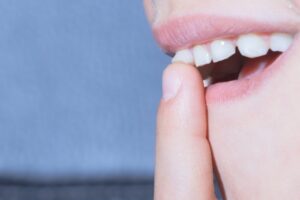
Discovering that one of your permanent teeth feels loose can be alarming. Unlike baby teeth, adult teeth are meant to last a lifetime. A loose adult tooth is often a sign of an underlying problem that requires prompt dental attention. Acting quickly can improve the chances of saving the tooth and preventing further damage.
If you notice an adult tooth moving more than usual, here’s what you should do.
Don’t Wiggle the Tooth
It may be tempting to see just how loose the tooth is but avoid touching or wiggling it with your fingers or tongue. Excessive movement can damage the surrounding tissues and make it more difficult for the tooth to stabilize.
Instead, leave the tooth alone as much as possible until you can see your dentist.
Call Your Dentist Right Away
A loose adult tooth should be treated as a dental emergency. Contact your dentist as soon as you notice the problem, even if you’re not experiencing pain.
The sooner your dentist can determine the cause, the more treatment options may be available to save the tooth.
Eat Soft Foods
To avoid putting additional pressure on the loose tooth, stick to soft foods like yogurt, applesauce, mashed potatoes, scrambled eggs, or smoothies. Avoid chewing on the affected side of your mouth until you’ve been evaluated.
You should also avoid hard, crunchy, sticky, or chewy foods that could cause the tooth to shift further.
Maintain Good Oral Hygiene
Keeping your mouth clean is essential, but you’ll want to be gentle around the loose tooth. Brush carefully with a soft-bristled toothbrush and floss cautiously to avoid irritating the area.
If recommended by your dentist, rinsing gently with warm salt water may help keep the area clean and soothe irritated gums.
Understand the Possible Causes
A loose adult tooth can develop for several reasons, including:
- Gum disease that weakens the supporting bone and tissues.
- An injury from sports, a fall, or an accident.
- Teeth grinding or clenching.
- Bite problems that place excessive pressure on a tooth.
- Advanced tooth infection.
Identifying the underlying cause is essential for choosing the most effective treatment.
How Your Dentist May Help
Treatment depends on why the tooth became loose. Your dentist may recommend deep cleaning for gum disease, splinting the loose tooth to neighboring teeth while it heals, adjusting your bite, providing a nightguard for teeth grinding, or treating an infection with root canal therapy if necessary.
In some cases, advanced gum disease or severe trauma may require more extensive treatment. The earlier the problem is addressed, the greater the likelihood of preserving your natural tooth.
A loose adult tooth is never something to ignore. Even if it isn’t painful, prompt treatment can make the difference between saving and losing your tooth. If you notice any movement in a permanent tooth, contact your dentist immediately. Early intervention is the best way to protect your smile and maintain your long-term oral health.
About the Author
Dallas-based dentist Dr. Sujal Patel earned his Doctor of Dental Surgery degree from New York University. Though his formal education ended, he’s remained committed to learning and furthering his training, taking continuing education courses and maintaining memberships in the American Dental Association, the Texas Dental Association, and the Dallas Local Society. If you’re in need of emergency dental attention, we’d be happy to serve you at Coco Dental of North Dallas. Book your appointment online or call (972) 818-5649.